 minipod.io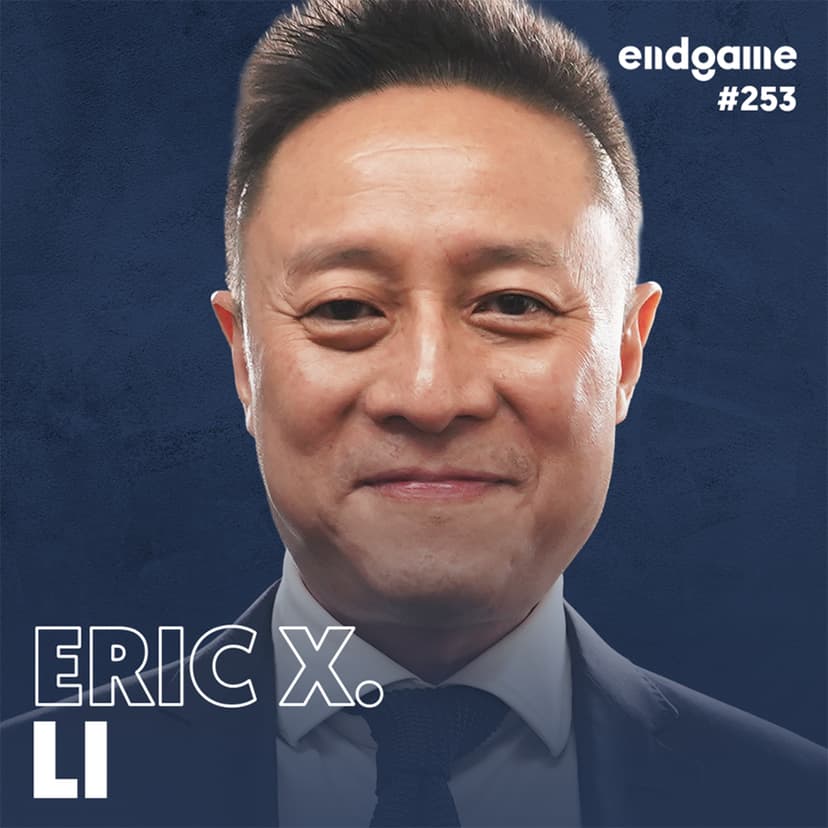
China Predicted Its Rise 75 Years Ago - Eric X. Li
Episode Snapshot
The transcription features an interview with Eric Lee, a venture capitalist from China and chairman of Chenghui Capital, who discusses a range of topics including the failure of universal Western...
Quick Summary
Key Points
- The US has become a liberal credo state, and the American Empire was built at the expense of the American nation.
- Many developing countries, including in Southeast Asia, fail because they adopt transplanted constitutions and institutions that are not organic to their cultural, moral, and natural conditions.
- China succeeded by selectively adopting Western practices while maintaining its own political system, cultural heritage, and values, rather than fully embracing universal Western models.
- The post-Cold War push for universal liberal values has caused more harm than good, leading to failures like color revolutions and the Arab Spring.
- China’s revolution was key to establishing institutions that allowed it to chart its own course, unlike many global south countries stuck with imposed systems.
- The Soviet Union was a great success story in modernization but collapsed partly due to becoming a credo state and mistaking correlation for causality regarding Western success.
- The future world is moving toward pluralism, where diverse systems and values coexist, which is more conducive for global south development.
- China is now in a phase of re-incorporating traditional Chinese values into its socialist system, a process called the “two fusions.”
Summary
The transcription features an interview with Eric Lee, a venture capitalist from China and chairman of Chenghui Capital, who discusses a range of topics including the failure of universal Western models, the success of China’s unique path, and the importance of organic political institutions. Lee argues that the United States has become a liberal credo state, built at the expense of its own nation, and that many developing countries in Southeast Asia and elsewhere are stuck with political, social, and legal frameworks that are not outgrowths of their natural, cultural, and moral conditions. He emphasizes that transplanting constitutions and institutions from the West has led to failure, as these systems are not organic to the countries adopting them. Lee contrasts this with China, which after its revolution in 1949, selectively adopted Western economic practices while maintaining its own political system and cultural heritage. This allowed China to achieve remarkable growth, with GDP per capita increasing tenfold over the past 30 years, while Southeast Asia only grew by 2.7 times. He attributes this success to factors like investment in education and infrastructure, effective governance, and economic decentralization, but stresses that the root cause is having organic institutions rooted in a country’s own history and values.
Lee reflects on the post-Cold War era, noting that the universalist push for liberal democracy and market capitalism has done more harm than good, leading to failed color revolutions and the Arab Spring. He points out that during the Cold War, the Western camp was diverse in political systems, but after winning, it imposed a singular vision. The Soviet Union, despite its eventual collapse, was a remarkable success story in modernization, but its fall involved elements of fate and a mistaken belief that adopting Western institutions would bring success. Lee argues that the world is now moving toward pluralism, where different values, religions, and economic systems can coexist, which is more interesting and beneficial for global south countries. He also discusses China’s three stages: revolution, reform (infusion of Western practices), and now consolidation, where China is re-incorporating traditional values into its socialist system through the “two fusions.” Lee concludes by advising global south countries to look at their own organic conditions and reject transplanted systems, as the doctor (the West) that prescribed the medicine is now faltering itself.