 minipod.io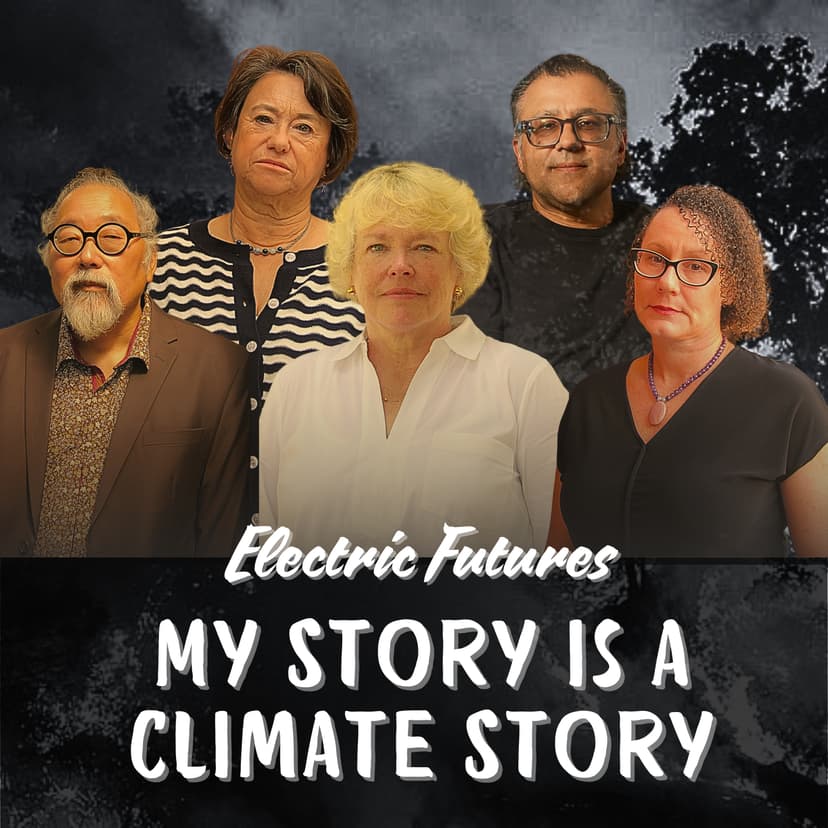
Electric Futures Special | My Story Is A Climate Story: 2025 LA Wildfires | Episode 2: The Emotional Impact of Loss
Episode Snapshot
The transcription details a profound examination of the aftermath of the 2025 Los Angeles wildfires, focusing on the personal toll and the broader failure to adequately connect such disasters to...
Quick Summary
Key Points
- A journalist's investigation reveals that only 13% of major news coverage of the 2025 LA wildfires linked them to climate change, despite scientific consensus that climate change intensified the fires by making landscapes drier.
- Personal stories from survivors, including USC professors and community members, detail the profound and lasting trauma, encompassing displacement, toxic contamination of homes, loss of cherished belongings, and the arduous, emotionally draining process of recovery and rebuilding.
- Survivors grapple with complex emotional aftermath, including grief, anger, cognitive impairment ("fire brain"), and the struggle to find or make meaning from the disaster, while also demonstrating resilience and a shift towards a "growth mindset."
- The physical aftermath involves unexpected challenges like long-term utility loss, hazardous debris from burned modern materials (e.g., EVs, solar panels), and the pain of disposing of smoke-damaged possessions that held deep personal and familial significance.
- The narrative emphasizes that the true loss is often not just the physical house but the "home"—the community, rituals, and sense of belonging—and that recovery is a long-term process of acceptance and creating new meaning.
Summary
The transcription details a profound examination of the aftermath of the 2025 Los Angeles wildfires, focusing on the personal toll and the broader failure to adequately connect such disasters to climate change. The host, Allison Agstin, begins by noting that an analysis of over 1,700 news articles found only 13% mentioned climate change, even though research confirmed it significantly intensified the fires by creating drier conditions. This media oversight occurs alongside a massive human cost, with over 150,000 people displaced.
The core of the summary presents intimate stories from survivors, primarily from the USC community. They describe returning to neighborhoods either destroyed or rendered uninhabitable by toxic smoke and ash. The physical challenges are immense: months without utilities, homes contaminated by chemicals from burned electronics and building materials, and the heartbreaking task of discarding smoke-damaged possessions like family heirlooms, artwork, and furniture that constituted a lifetime of memories. For many, like Varun Soni, the loss transcends material items; it is the destruction of a community, sacred spaces for children, and an entire way of life—a "home" that cannot be simply rebuilt.
The emotional and psychological impact is severe and lingering. Survivors experience "fire brain"—cognitive impairment affecting memory and decision-making—grief, anger, and a struggle to reconcile their loss with their identity. Varun, who taught a "growth mindset," found himself stuck in anger and a "fixed mindset" after losing his neighborhood. The path forward, as explored through various stories, involves a difficult journey toward acceptance. This is not about finding a pre-existing reason for the tragedy but about actively *making* meaning from it—choosing to focus on family, resilience, and the fact that lives were spared.
The accounts vary in their moments of realization and resilience. Gail Sinatra compares seeing her destroyed home to an open-casket funeral, making the loss finally real. Jodi Tolen finds solace and a capacity for joy in the enduring natural beauty of her area and the return of wildlife, while Nicole McCalla manages professional duties while being transparent with her students about her ongoing recovery. Ultimately, the narrative underscores that disasters unfold long after the news cycle ends, in both expected and unexpectedly painful ways, and that recovery is a protracted process of navigating trauma, loss, and the active creation of a new normal.