 minipod.io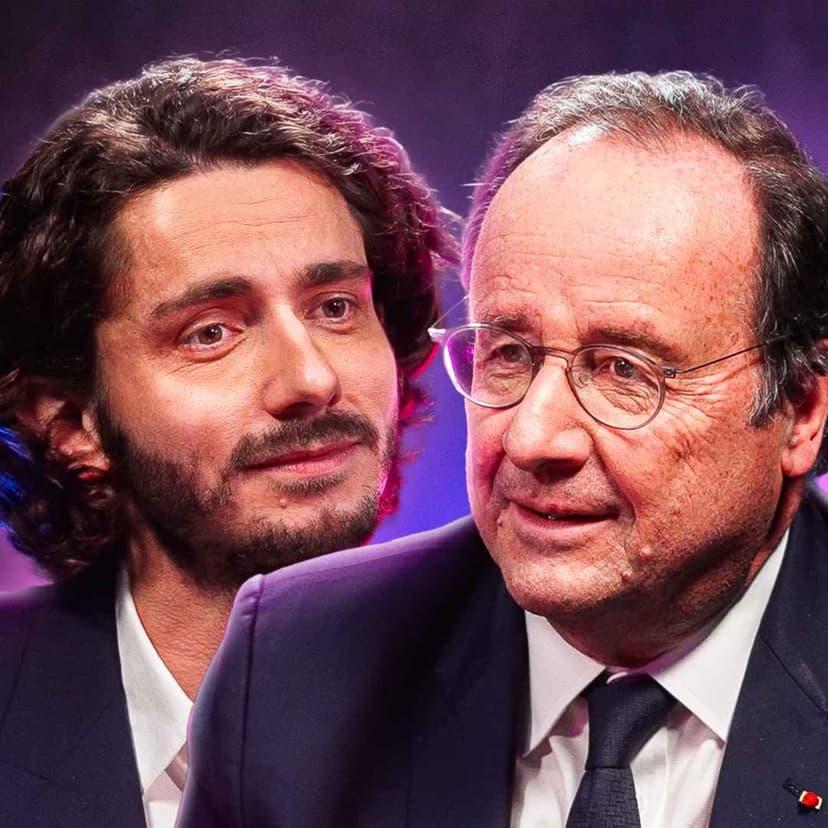
FRANÇOIS HOLLANDE : TRAHISON, MENACE, MACRON, POUTINE… LES SECRETS D’UN ANCIEN PRÉSIDENT FRANÇAIS
Episode Snapshot
The transcription begins with the host introducing the podcast episode featuring former French President François Hollande, who will discuss his life journey, political career, and insights from his...
Quick Summary
Key Points
- The host introduces a podcast interview with former French President François Hollande, covering his background, political journey, and reflections on governance.
- Hollande discusses his upbringing in a politically divided family, his strict Catholic boarding school education, and his mandatory military service, which later informed his role as Commander-in-Chief.
- He reflects on his early interest in politics, influenced by his father's local candidacy and the 1968 protests, and his experiences navigating different social environments in Rouen and Neuilly.
- The conversation touches on the gravity of presidential decisions, especially regarding military engagements, and the importance of understanding institutional dynamics.
- The host also promotes a live tour across France starting October 2026, featuring various guests from the channel.
Summary
The transcription begins with the host introducing the podcast episode featuring former French President François Hollande, who will discuss his life journey, political career, and insights from his presidency. Prior to the interview, the host announces a live tour across major French cities starting in October 2026, highlighting special guests and events.
During the interview, Hollande recounts his childhood in a modest, politically divided family—his father, a right-leaning doctor, and his mother, a socially minded Catholic from an artisan background. He describes how dinner table debates shaped his early understanding of politics. He attended a strict Catholic boarding school, which he found overly severe but formative, teaching him discipline and resilience. Hollande also completed his mandatory military service in the engineering corps, an experience he values for exposing him to hierarchy, camaraderie, and the realities of military life, later aiding him as President and Commander-in-Chief.
Hollande traces his political awakening to events like the 1968 protests and the 1965 presidential election, which sparked his interest in public speech and leadership. He shares anecdotes from his school days, where he served as a class representative and negotiator, and notes the cultural contrasts between his provincial upbringing in Rouen and the more privileged environment in Neuilly. These experiences, he argues, helped him appreciate France's social diversity.
The conversation shifts to the responsibilities of the presidency, particularly the weight of military decisions. Hollande emphasizes the importance of understanding the armed forces and the sobering reality of sending troops into combat, referencing French operations in Mali. He stresses that civilian authority must grasp military institutions to make informed, ethical decisions.
Overall, the interview provides a personal and reflective look at Hollande's formative years, the values that guided his career, and the profound responsibilities of political leadership.