 minipod.io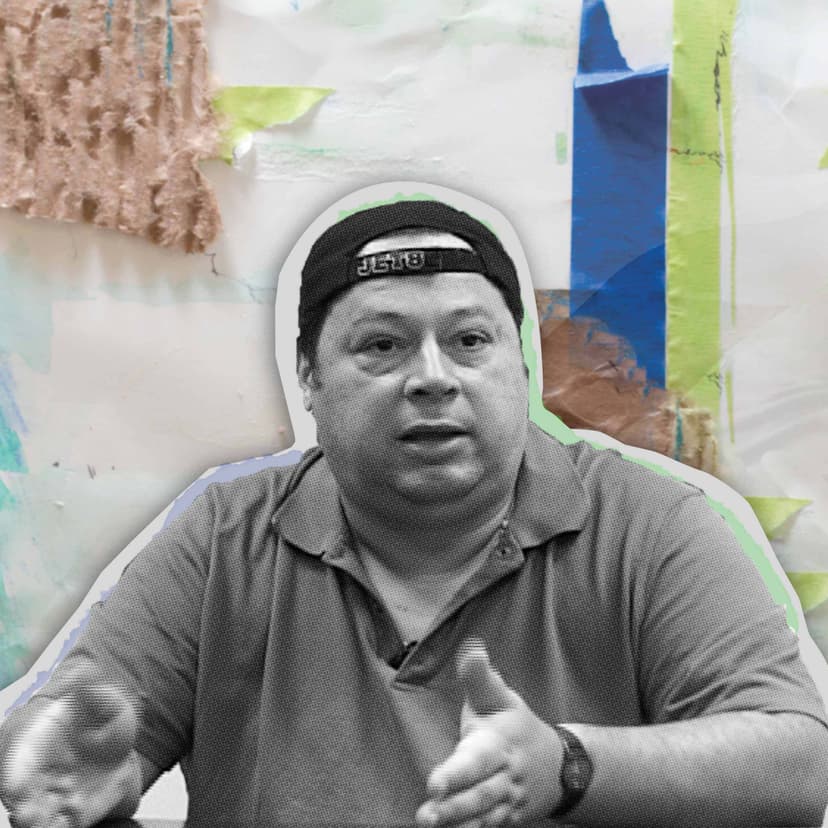
Making Your Own Luck (w/ Joe Quesada)
Episode Snapshot
The transcription centers on a podcast episode from "Roadmap," which explores paths to success through conversations with accomplished individuals, notably Joe Quesada, Chief Creative Officer of...
Quick Summary
Key Points
- Success in creative fields like art or acting typically requires immense, consistent hard work rather than relying solely on innate talent.
- Personal passion and the willingness to adapt are crucial; interests and primary focuses can shift over time, as seen in Joe Quesada's transition from music to comics.
- Breaking into a competitive industry often involves seizing unexpected opportunities, persistent self-improvement, and leveraging a unique perspective, such as Quesada's lack of reverential fear toward iconic characters.
- Early exposure to exemplary work can set a high benchmark and fuel ambition, as Quesada's discovery of landmark comics like "The Dark Knight Returns" and "Watchmen" did for him.
- Practical steps—like creating a targeted portfolio, networking, and demonstrating relentless dedication—are key to turning a passion into a career.
Summary
The transcription centers on a podcast episode from "Roadmap," which explores paths to success through conversations with accomplished individuals, notably Joe Quesada, Chief Creative Officer of Marvel Entertainment. The host introduces the episode by emphasizing that while rare individuals may possess innate talent, most people achieve mastery through relentless, daily practice and hard work. This theme is echoed in a clip from actress Rachael Taylor, who downplays her innate acting talent, attributing her progress to a deep love for her craft and continuous improvement despite early struggles.
The core of the episode features an interview with Joe Quesada. He recounts his unconventional journey, explaining that he initially attended art school but found greater passion in music during his early twenties. His life shifted in his late twenties when a coworker reintroduced him to modern comics, specifically Frank Miller's "The Dark Knight Returns." This exposure, followed by Alan Moore's "Watchmen," revealed the medium's sophisticated potential and ignited a new, singular focus. Quesada highlights that his earlier detachment from comics actually became an asset, allowing him to approach iconic characters without excessive reverence and embrace necessary change and innovation.
Quesada details his determined entry into the comic industry. After self-educating and analyzing the craft, a chance encounter through his day job led to a brief coloring position at Valiant Comics. Following a layoff, he gave himself six weeks to build a compelling artist portfolio. His persistence paid off when he presented his work to a new editor at DC Comics. Despite the editor's limited capacity, Quesada's skill and evident need for work led to a quick test assignment. He completed it overnight, demonstrating exceptional dedication, which ultimately helped him secure a foothold in the industry. His story underscores that success is often a blend of seizing serendipitous opportunities, rigorous preparation, adaptable passion, and unwavering hard work rather than mere innate ability.