 minipod.io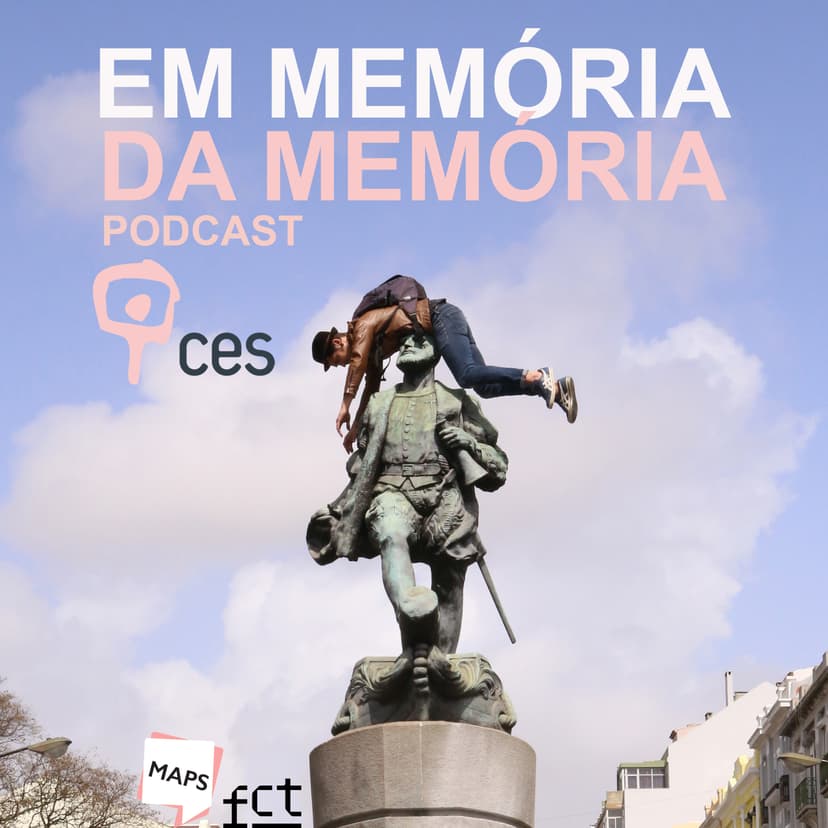
1. Margarida Calafate Ribeiro: "A herança é sempre feita em luto, que é uma condição muito importante da pós-memória, e é sempre uma escolha"
Episode Snapshot
The transcription introduces the podcast "Em Memória da Memória" and an interview with researcher Margarida Calafate Ribeiro, focusing on the concept of post-memory and the "MEMOIRS" research project....
Quick Summary
Key Points
- The concept of "post-memory" refers to how subsequent generations inherit and process memories of traumatic historical events, such as colonial wars, which they did not directly experience, through family narratives and public memory.
- The research project "MEMOIRS - Children of Empires and European Post-Memories" investigates the colonial legacies impacting descendants in Portugal, France, and Belgium, exploring themes of identity, inheritance, trauma, and public discourse.
- Post-memory is not automatic; it involves an active personal and political choice to claim an inheritance, transforming private memory into public narrative through art, literature, and academic work, thereby challenging national historical accounts.
- The emergence of post-colonial voices in art and public debate is fostering a "public post-memory," which introduces new perspectives and characters into the national narrative, promoting a more complex and inclusive understanding of history.
Summary
The transcription introduces the podcast "Em Memória da Memória" and an interview with researcher Margarida Calafate Ribeiro, focusing on the concept of post-memory and the "MEMOIRS" research project. Post-memory examines how generations born after traumatic events, like colonial wars and decolonization, inherit and negotiate memories they did not directly experience. These memories are transmitted through family stories and public narratives, shaping identities and contemporary societies.
The discussion traces the researcher's academic journey, highlighting how her work evolved from studying post-colonialism and literature to specifically investigating the children of colonial war veterans. A pivotal moment was a student's emotional testimony about growing up with a father suffering from PTSD, which revealed how war trauma silently permeates families and affects descendants. This personal insight, combined with engagement with memory studies theory (like Michael Rothberg's work on multidirectional memory), led to the "Children of War" research. This project, conducted in collaboration with psychiatrists, explored how individuals who did not live through war come to identify as "children of war," emphasizing that this identification is a conscious choice and claim to an inheritance, not a deterministic outcome.
A key argument is that post-memory moves beyond the private, familial sphere. It is activated when personal inheritance confronts and engages with public memory—through media, history books, museums, and especially art. The example of artist Ana Vidigal's work "Penelope," which transforms private childhood memories of her mother's grief into public art, illustrates how aesthetic practices can make intimate trauma collectively resonant. This process contributes to forming new "memory communities."
The conversation critiques early formulations of post-memory (like Marianne Hirsch's) for overemphasizing the family. Instead, the MEMOIRS project advocates for a "public post-memory." This is evident in contemporary cultural production—such as literature from descendants of empires—which introduces previously marginalized characters and narratives (e.g., the *assimilado* in post-colonial Lisbon) into the national story. These works disrupt comfortable national narratives, forcing a reckoning with inconvenient pasts.
Ultimately, post-memory is presented as an active, political process where individuals claim their inherited pasts, thereby demanding a more pluralistic and democratic memory for their nations. This represents an ongoing, new phase of decolonization, where public debate and artistic expression are crucial for the emergence of inclusive historical narratives that acknowledge the complex legacies of empire.