 minipod.io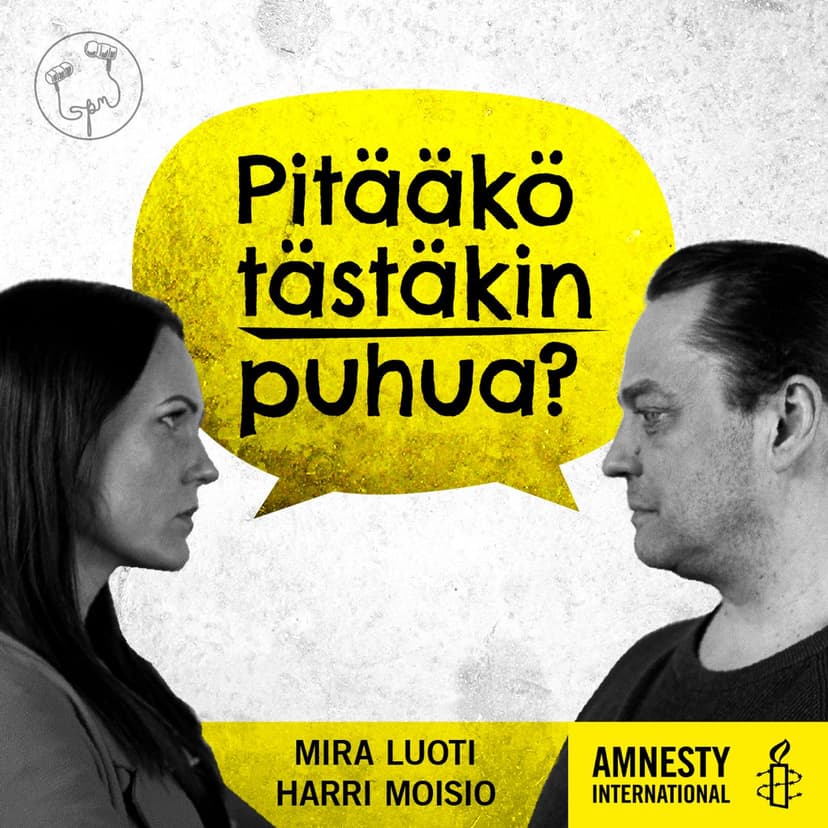
Uusi kausi: Jakso 9: Miksi urheilukisat päätyvät sortovaltioihin?
Episode Snapshot
This Finnish podcast episode, an Amnesty International production, explores the complex and inseparable relationship between sports and politics. Hosted by Harri and Mira, the discussion features...
Quick Summary
Key Points
- The podcast discusses the intersection of sports and politics, questioning whether they can or should be separated.
- Experts argue that sports and human rights are deeply connected, with major sporting events often used by states for political messaging or to obscure human rights issues.
- The decision of the Finnish hockey team Jokerit to withdraw from a game in Belarus is cited as a historical example of a sports club making a political stand.
- The conversation covers challenges within sports, including gender equality, racism, sexism, and homophobia, noting progress but ongoing issues.
- The awarding of major events like the Olympics to countries with poor human rights records is critically examined, alongside the potential for sports to foster peace and dialogue.
Summary
This Finnish podcast episode, an Amnesty International production, explores the complex and inseparable relationship between sports and politics. Hosted by Harri and Mira, the discussion features guests including politician and former athlete Sari Multala and hockey player Teemu Ramstedt. The central debate questions whether sports can or should exist independently of political contexts, with a consensus emerging that the two are intrinsically linked.
The conversation highlights how international sports events have long been political arenas where national prestige, power, and economic strength are displayed. It is noted that states with poor human rights records often use mega-events like the Olympics for "sportswashing"—to improve their international image and divert attention from domestic issues. Amnesty International's representative, Iina Lindemann, emphasizes that while sports and human rights are firmly connected, the primary responsibility for upholding rights lies with states, sports federations, and leaders, not individual athletes.
A key case study is the Finnish hockey club Jokerit's decision to withdraw from a game in Belarus, which guests describe as a significant, historically notable action demonstrating how sports organizations can take political stances. The dialogue then broadens to examine persistent problems within sports culture, such as racism, sexism, and homophobia, acknowledging that while Finland may be relatively progressive, these issues remain global challenges. Gender equality is discussed in depth, with Multala sharing personal experiences of bias in international sports governance and Ramstedt noting the slower development and visibility of women's ice hockey compared to the men's game.
Finally, the podcast critiques the process of awarding major events like the Olympics to countries with problematic human rights records, referencing Agenda 2020 reforms intended to promote sustainability and human rights. However, guests express skepticism about the effectiveness of these reforms in practice, pointing to a gap between good intentions and the political realities of the bidding process. The episode concludes by reflecting on the dual nature of sports: as a potential propaganda tool for states, but also as the "world's largest peace movement" and a unique platform for international dialogue and raising awareness of global issues.